

Table of Contents
- How to Spot High Quality Screen Printing: Start With the Basics
- The Screen Printing Quality Checklist Every Fan Should Use
- Signs of a Bad Screen Print: What to Walk Away From
- Screen Print Durability: How to Test Wash Resistance Before You Commit
- Screen Printing vs DTG: Which Method Delivers Better Quality?
- How to Inspect a Screen Printing Order Before Accepting or Paying
- Frequently Asked Questions
Last Updated: October 7, 2026
How to Spot High Quality Screen Printing: Start With the Basics
Screen printing is a decorating method where ink is pushed through a fine mesh screen onto fabric, one color at a time, then cured with heat so it bonds to the garment. Done well, the print stays sharp and soft for years. Done badly, it cracks, peels, or fades within a handful of washes.
The good news is that quality leaves visible clues. You do not need lab gear. You need good light, your hands, and a simple wash test.
Below, we break down how to spot high quality screen printing on any graphic tee, hoodie, or sweatshirt, whether you are shopping in a store or checking a package that just arrived.
The Screen Printing Quality Checklist Every Fan Should Use
A screen printing quality checklist is a short set of visual and tactile tests you can run in under two minutes. It covers edges, color, coverage, alignment, feel, and adhesion. Run all six checks before you decide a print is good.
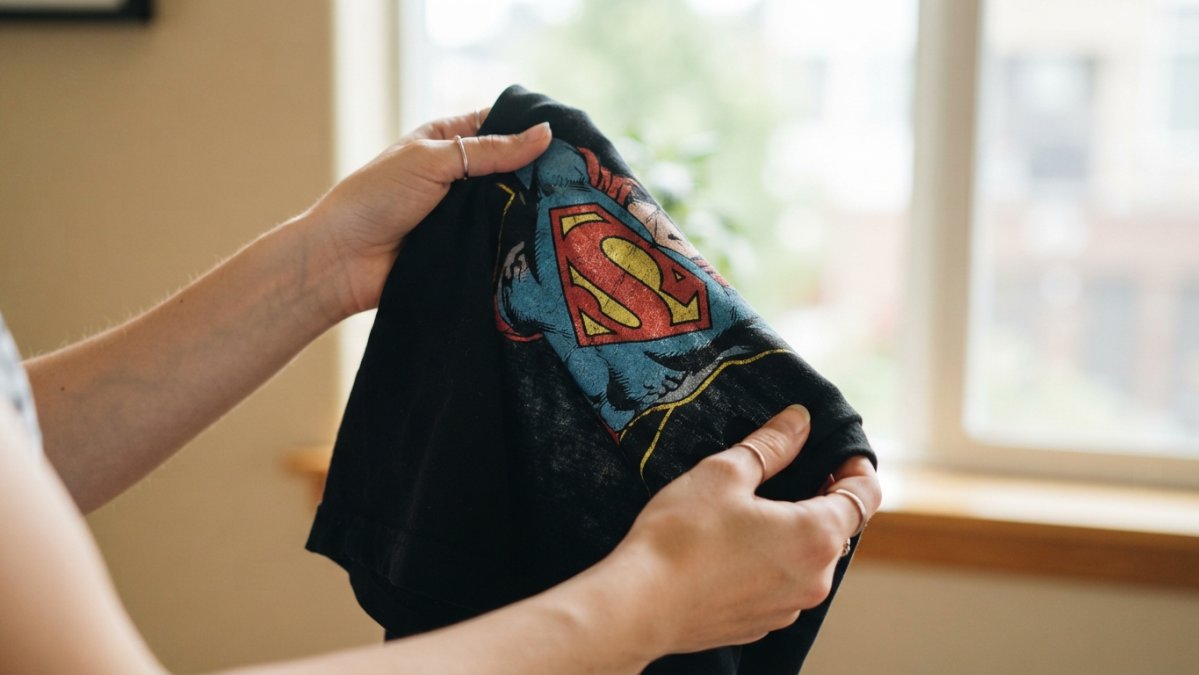
Visual Checks: Sharp Edges, Clean Lines, and Even Coverage
Start with your eyes.
- Sharp edges: Lines should look crisp, not fuzzy or blurred.
- Clean lines: No stray ink dots or smudges outside the design.
- Even coverage: Hold the shirt to light. The ink should look the same thickness all over.
- Color vibrancy: Colors should look rich and true, not washed out.
- Color consistency: Every shirt in the batch should match the same brand color.
Thin, patchy spots mean too little ink. Blobby, raised areas mean too much. Both are warning signs.
Tactile Checks: Hand Feel, Flexibility, and Ink Adhesion
Now use your hands.
A quality print feels soft, not like a plastic sheet. Stretch the fabric gently. The ink should flex with it, not crack or lift. Rub your thumb across the design. If ink flakes off, adhesion failed.
Here is the full checklist with pass/fail criteria:
| Check | Pass | Fail |
|---|---|---|
| Edge sharpness | Crisp, defined lines | Fuzzy or blurred edges |
| Ink coverage | Even, full opacity | Patchy or thin spots |
| Registration | Colors align perfectly | Colors offset or overlapping |
| Hand feel | Soft, flexible | Stiff, plastic-like |
| Adhesion | Ink stays put when rubbed | Flaking or peeling |
| Color match | Consistent across batch | Shade varies shirt to shirt |
Signs of a Bad Screen Print: What to Walk Away From
Certain defects are deal-breakers. Walk away if you see them. But knowing what caused them helps you decide whether to ask for a fix or find a new printer. Here is how to diagnose the most common screen printing defects.
Cracking
What it looks like: Fine lines split across the design, often following the grain of the fabric.
Likely cause: Under-cured ink. The ink never fully bonded to the fabric, so it cracks when stretched or washed.
Remedy: The printer needs to adjust curing temperature and belt speed. If the whole batch shows cracking, request a reprint with proper curing.
Peeling
What it looks like: Ink lifts at the edges or flakes off in sheets.
Likely cause: Poor ink adhesion, often from insufficient curing, wrong ink type for the fabric, or a contaminated garment surface.
Remedy: Check that the printer used the correct ink for the fabric (e.g., plastisol on cotton, special inks for polyester). If peeling is widespread, the batch should be rejected.
Fading
What it looks like: Colors look dull or washed out right out of the bag, or fade rapidly after a few washes.
Likely cause: Low-quality pigment, insufficient ink deposit, or dye migration from the garment (common on dark polyester).
Remedy: For dye migration, a bleed-blocker underlay may be needed. For low-quality ink, switch to a printer who uses reputable ink brands.
Misregistration
What it looks like: Colors sit slightly off from each other, creating a blurred or ghosted edge.
Likely cause: Screens were not aligned properly on the press, or the garment shifted during printing.
Remedy: This is a setup error. A small amount may be acceptable on complex designs, but noticeable misregistration on simple graphics is a sign of poor quality control.
Off-Center Placement
What it looks like: The design sits crooked, too high, too low, or off to one side.
Likely cause: The garment was loaded incorrectly on the platen, or the platen itself was misaligned.
Remedy: Check placement against a spec sheet. If multiple shirts are off in the same way, the printer's setup is wrong.
Pinholes
What it looks like: Tiny holes in the ink where the fabric shows through.
Likely cause: Clogged mesh, too-thin ink, or insufficient squeegee pressure.
Remedy: A few pinholes may be acceptable on some designs, but widespread pinholes mean the print was rushed.
Dye Migration
What it looks like: The garment's dye bleeds into the ink, tinting the print (common on red or dark polyester shirts).
Likely cause: The dye in the fabric sublimates under heat and migrates into the ink. This is a fabric/ink compatibility issue.
Remedy: Use a low-bleed ink or a bleed-blocker underlay. If the printer did not account for this, the print will never look right.
What Most Guides Miss
These defects often share a root cause: the ink was not properly cured. Curing is the heat-setting step that bonds ink to fabric. Skip it, and the print fails fast. When you see multiple defects across an order, ask your printer about their curing process. A confident printer will explain their temperature and belt-speed settings. A defensive one may not.
Screen Print Durability: How to Test Wash Resistance Before You Commit
Screen print durability comes down to how well the ink bonds to the fabric. You can test this at home before you commit to a full order or a repeat purchase. Most guides tell you to "wash it and see," but that leaves you guessing. A structured protocol gives you clear pass/fail answers.
The At-Home Wash Test Protocol
Wash one sample garment and inspect it after every cycle. Use this exact sequence so your results are repeatable:
- Turn the garment inside out.
- Wash in cold water on a gentle cycle with mild detergent. No bleach, no fabric softener.
- Tumble dry low, or air dry. Avoid high heat.
- After each cycle, inspect the print under good light for cracking, peeling, fading, or changes in hand feel.
- Repeat for a total of five cycles.
Pass/fail criteria after five cycles:
| What to check | Pass | Fail |
|---|---|---|
| Cracking | No visible cracks | Fine lines or splits in the ink |
| Peeling | Ink stays bonded | Edges lift or flake |
| Fading | Color remains rich | Noticeable dulling or washout |
| Hand feel | Still soft and flexible | Stiff, rough, or plastic-like |
| Adhesion | Ink does not rub off | Ink transfers to your thumb |
A quality print survives all five cycles with no failures. If it fails by cycle three, the print was never going to last. If it passes five, it will likely hold up for the life of the garment under normal wear.
What Different Failure Points Tell You
Where a print fails in the wash test points to the root cause:
- Fails after one wash: Likely severely under-cured or the wrong ink for the fabric.
- Fails after three washes: Common sign of incomplete curing or poor ink adhesion.
- Fails after five or more washes: May be normal wear for low-quality plastisol, or the garment was washed with high heat.
- Color fades but ink stays intact: Dye migration or low-quality pigment, not an adhesion problem.
Understanding these patterns helps you decide whether to ask for a reprint, switch suppliers, or adjust your washing habits.
How Many Cycles Is Enough?
Five cycles is a practical minimum for a home test. Commercial wash-test standards often run 10, 20, or even 50 cycles to simulate a garment's full lifespan. For a quick quality check before accepting an order, five cycles will expose most serious defects. If you want to be thorough, run 10 cycles and inspect after each one.
Screen Printing vs DTG: Which Method Delivers Better Quality?
Screen printing vs DTG is not a clear win for either. Each method suits different jobs, and quality depends on the printer, not just the tech.
Screen printing pushes thick ink through a mesh screen. It gives bold, vibrant color and holds up well on cotton. It works best for larger runs, since each color needs its own screen.
DTG (direct-to-garment) prints like an inkjet printer onto fabric. It handles fine detail and full-color images, and it suits small batches. On dark shirts, DTG prints can feel thinner and may fade sooner.
| Factor | Screen Printing | DTG |
|---|---|---|
| Best for | Bold designs, larger runs | Detailed art, small batches |
| Color vibrancy | High, especially on dark fabric | Good, thinner on dark fabric |
| Hand feel | Soft when done well | Soft, sometimes lighter |
| Durability | Strong with proper curing | Varies, can fade sooner |
For most fan apparel with bold character art, screen printing tends to hold color and shape longer.
How to Inspect a Screen Printing Order Before Accepting or Paying
Inspect the whole order, not just the top shirt. This is the step buyers skip, and it costs them.
- Lay every item flat in good light.
- Check each print against the checklist above.
- Compare shirts side by side for color consistency.
- Confirm print placement and dimensions match your spec.
- Run the wash test on one sample.
- Photograph any defects before you accept or pay.
If several items fail, ask for a reprint or a refund before money changes hands. A supplier confident in their work will stand behind it.
At HeroX Apparel, we empower fans to proudly showcase their favorite characters through a curated collection of high-quality clothing and accessories. We offer a diverse range of stylish t-shirts, sweatshirts, hoodies, and even branded stainless steel drinkware, all featuring iconic characters from Marvel, Disney, Star Wars, and Pixar.
Frequently Asked Questions
How can you tell if a shirt has a high-quality screen print?
Look for sharp, clean edges on the design and consistent ink coverage with no thin or missing patches. The print should feel smooth and flexible, not thick or rubbery. Check registration by making sure colors align perfectly without overlap or gaps. A quality screen print also survives a wash test without cracking, peeling, or fading, so always check care labels and customer reviews before buying.
What causes screen prints to crack, peel, or fade?
Cracking and peeling usually happen when the ink isn't cured at the right temperature during production. Fading often comes from low-quality ink or washing in hot water and drying on high heat. To protect your screen print durability, wash inside out in cold water and hang dry or use low heat. If a print cracks after only a few washes, it likely wasn't cured properly at the factory.
Is screen printing higher quality than DTG?
For bold designs on dark fabrics, screen printing usually wins on color vibrancy and wash durability. DTG works well for complex, full-color images and small batches, but the print may feel slightly raised and can fade faster over time. Screen printing lays down thicker ink that holds up better after repeated washing, making it the better choice for graphic tees you plan to wear often.
How should you wash a screen-printed shirt to preserve the design?
Turn the shirt inside out and wash in cold water on a gentle cycle. Avoid fabric softener and bleach, which break down the ink. Tumble dry on low or hang dry. Following this routine helps maintain color vibrancy and prevents cracking. Always check the care label first, since some inks and fabrics need specific handling to keep the print looking sharp.
Cheap graphic tees fade and crack because the print was never built to last. HeroX Apparel takes a different approach, with high-quality screen printing on t-shirts, sweatshirts, and hoodies featuring iconic Marvel, Disney, Star Wars, and Pixar characters. Our apparel is made to keep its color, feel, and shape wash after wash. Get started with HeroX Apparel and wear your fandom with pride.